

The right fade can completely change the shape and character of a men’s haircut. While traditional fades usually move horizontally across the sides and back, a burst fade creates a distinctive curved transition around the ear. This gives the haircut a clean appearance while leaving plenty of room for creativity on top and toward the back.
A burst fade is especially popular because it works with many different hairstyles and hair textures. You can pair it with a mullet for a modern, edgy look, a mohawk for extra height, curls for natural texture, or a short crop for a cleaner everyday style. The fade itself can also be customized. You can choose a subtle taper-like finish, a skin-level blend or something in between. The amount of hair left around the back and top can then be adjusted according to your preferred hairstyle.
What Is a Burst Fade?
A burst fade is a type of fade that curves around the ear rather than following a straight horizontal line across the sides. The hair gradually becomes shorter as it moves around the ear, creating a semicircular or “burst” shape. The back and top can remain significantly longer, depending on the hairstyle.
This makes the burst fade different from a traditional low, mid or high fade. Instead of reducing the hair across a large portion of the sides, the fade is concentrated around the ear area. The result is a haircut that can look clean from the side while maintaining plenty of volume elsewhere.
Best Burst Fade Haircuts for Men
Classic Burst Fade
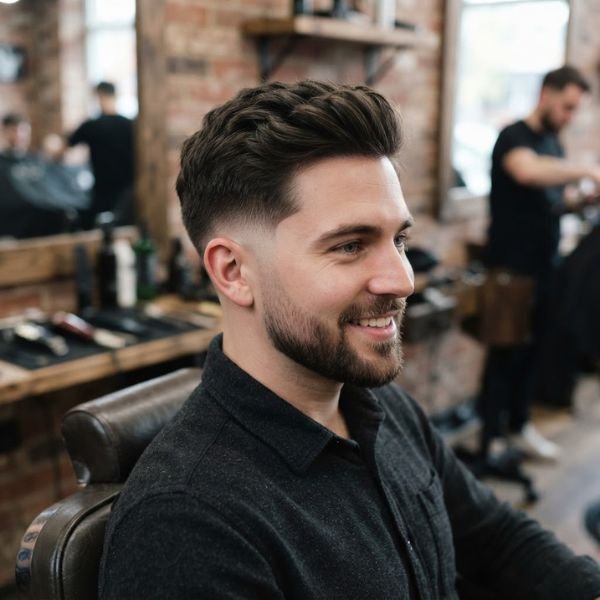
The classic version keeps the curved fade around the ear relatively clean while maintaining a natural amount of length above and behind it.
It is a versatile starting point because you can combine it with short, medium or longer hair on top.
Best for: Most hair types
Burst Fade Mullet
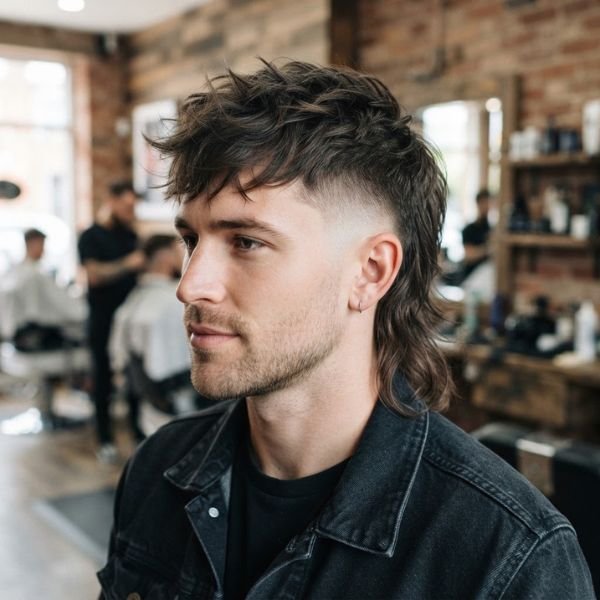
The burst fade mullet is one of the most recognizable modern combinations.
The hair around the ear is tapered tightly while the back remains longer. This creates a strong contrast between the clean sides and extended rear length.
You can wear the top textured, curly, straight or slightly messy depending on your hair type.
Best for: Straight, wavy and curly hair
Burst Fade Mohawk

A mohawk keeps more length through the center of the head while the sides become shorter.
The curved fade around the ears makes the mohawk appear more defined without completely removing the surrounding hair.
For a more dramatic appearance, the top can be styled upward using a strong-hold product.
Best for: Thick and textured hair
Burst Fade With Curls
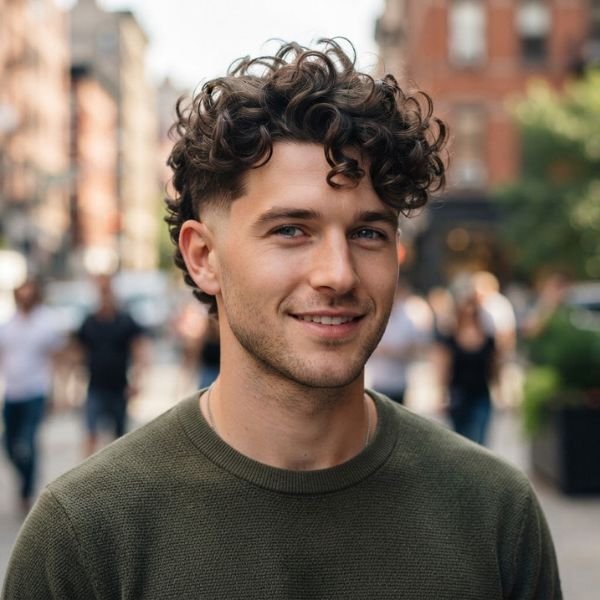
Natural curls provide excellent contrast against the clean curved fade.
The top can remain full and textured while the sides around the ears are gradually shortened. Curl cream or leave-in conditioner can help maintain definition.
Best for: Curly and coily hair
Burst Fade With Waves

Waves give this haircut a textured appearance without requiring significant top length.
The fade can be kept relatively subtle so that the wave pattern remains the main feature.
Best for: Wavy and textured hair
Burst Fade Afro

An afro can be combined with a curved fade to create a cleaner outline around the ears while preserving the natural volume of the hairstyle.
The top can remain rounded or be shaped into a more defined silhouette.
Best for: Afro-textured hair
Burst Fade With Twists
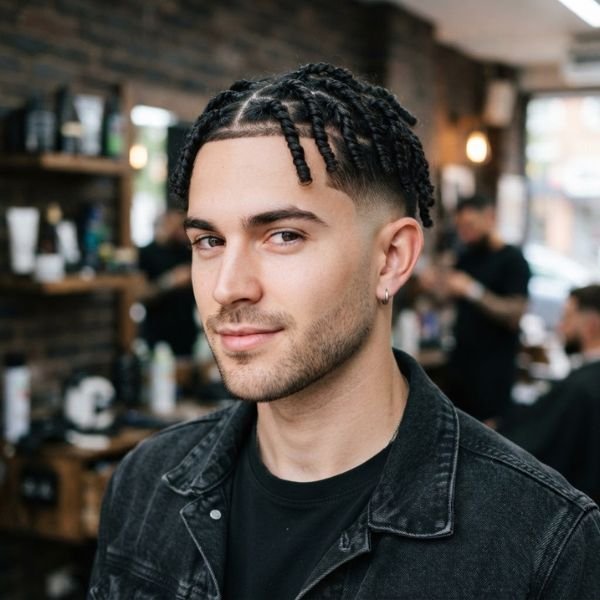
Short or medium twists can be paired with a curved fade for a clean but highly textured style.
The twists remain the focus while the fade adds definition around the sides.
Best for: Coily and textured hair
Burst Fade With Locs
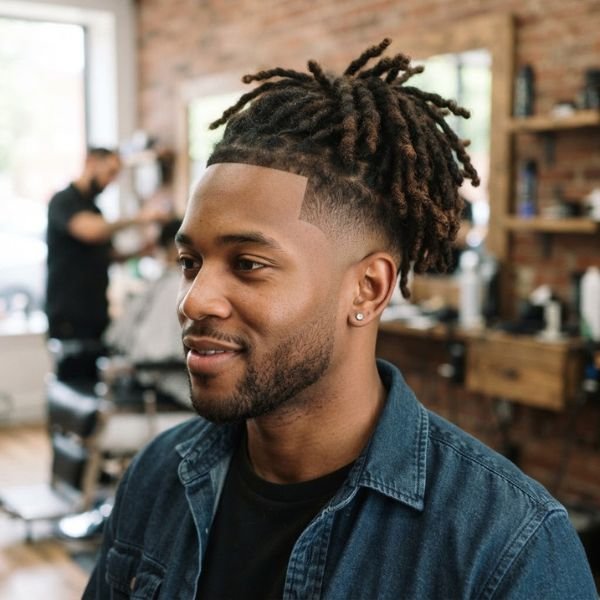
Locs create an interesting contrast against the shorter area around the ears.
The locs can be worn loose, tied back or allowed to fall naturally depending on their length.
Best for: Short and long locs
Burst Fade Textured Crop
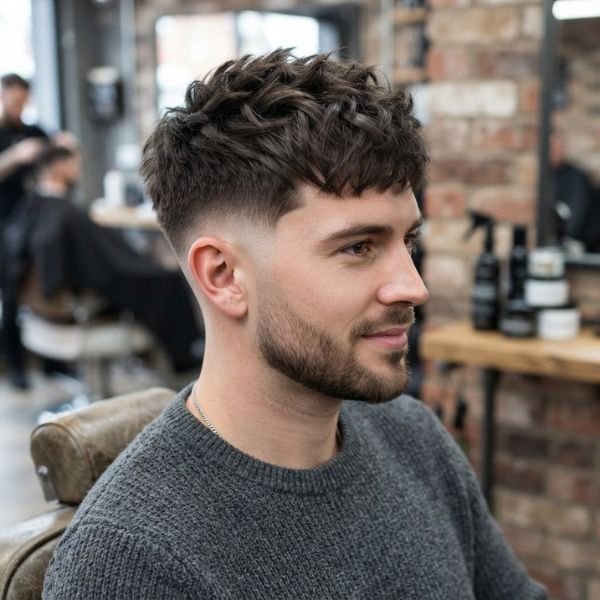
A textured crop gives the haircut a modern and low-maintenance appearance.
The top can be cut with varying lengths to create separation, while the curved fade keeps the sides neat.
Best for: Straight, wavy and thick hair
Burst Fade Edgar
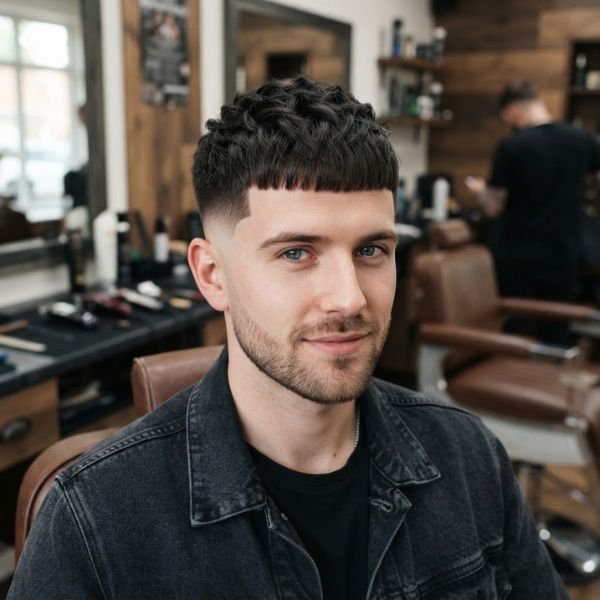
The Edgar haircut features a structured fringe and defined top.
Adding a curved fade around the ears gives the style more contrast while keeping its recognizable front shape.
Best for: Straight and thick hair
Burst Fade Quiff
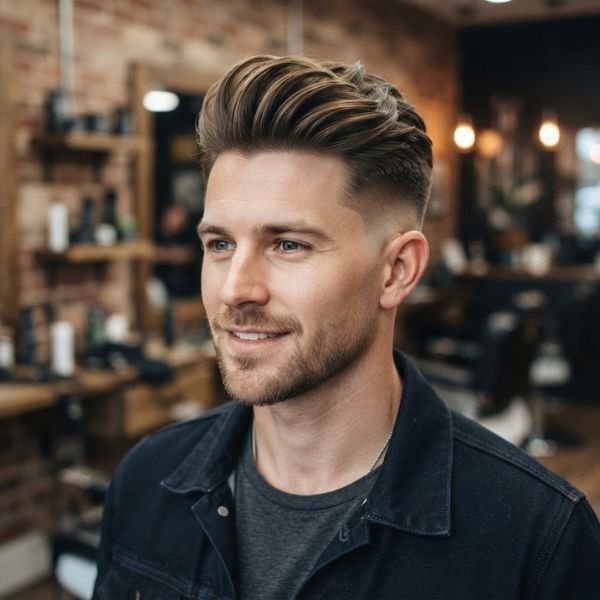
A quiff creates height toward the front while the fade keeps the sides controlled.
Blow-drying the hair upward before applying a lightweight styling product can help create volume and hold.
Best for: Straight and wavy hair
Burst Fade Slick Back
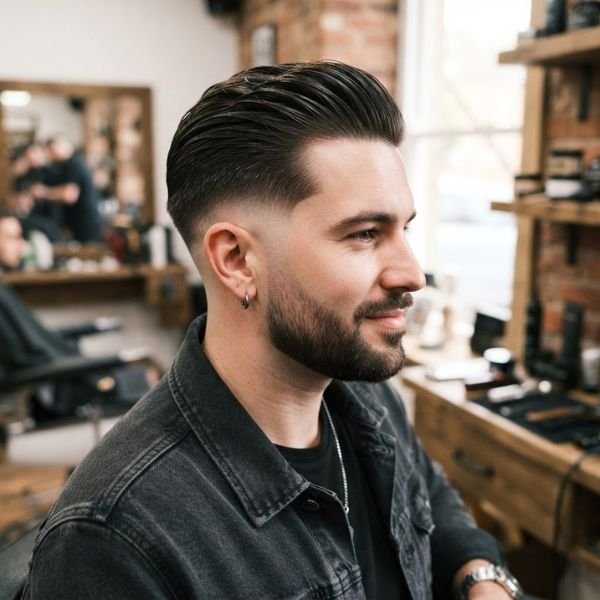
A slick back gives the haircut a more polished appearance.
The top needs enough length to brush backward, while the curved fade provides a modern contrast around the ears.
Best for: Medium and long straight hair
Burst Fade Comb Over

A comb over can make the haircut more versatile for both casual and professional situations.
You can create a visible side part or keep the top more relaxed and textured.
Best for: Straight and wavy hair
Burst Fade Pompadour
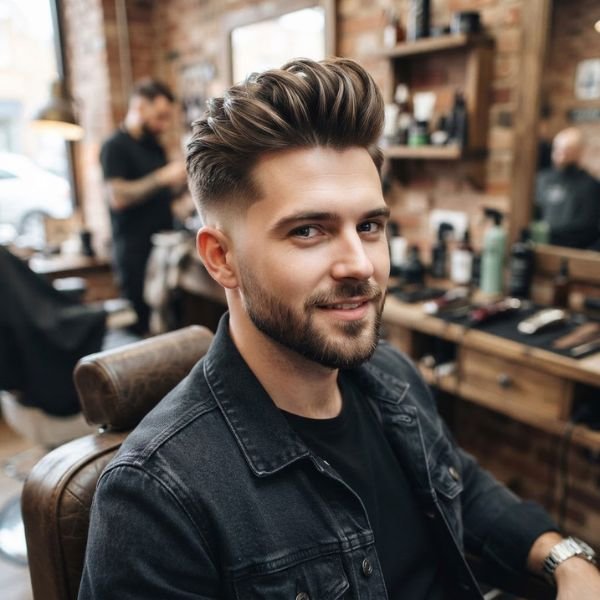
A pompadour requires considerable volume on top, making it a stronger option for men with thick hair.
The curved fade removes some of the bulk around the ears without taking away the length needed to build the pompadour.
Best for: Thick and straight hair
Burst Fade With Beard
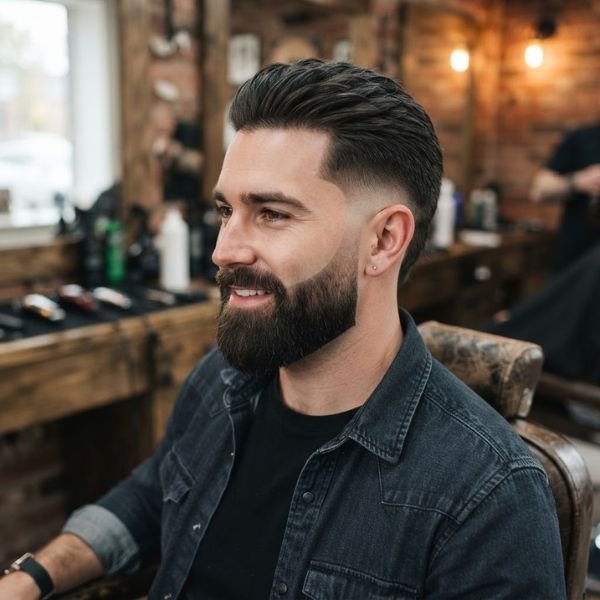
A beard can complement the curved shape of the haircut and add additional structure around the face.
The sideburn area should be blended carefully so the haircut transitions naturally into the beard.
Best for: Short to full beards
Burst Fade With Line Up

A sharp lineup can add precision to the forehead and temple areas.
The combination works particularly well with short textured hairstyles and natural curls.
Best for: Short and textured hair
Burst Fade With Hair Design
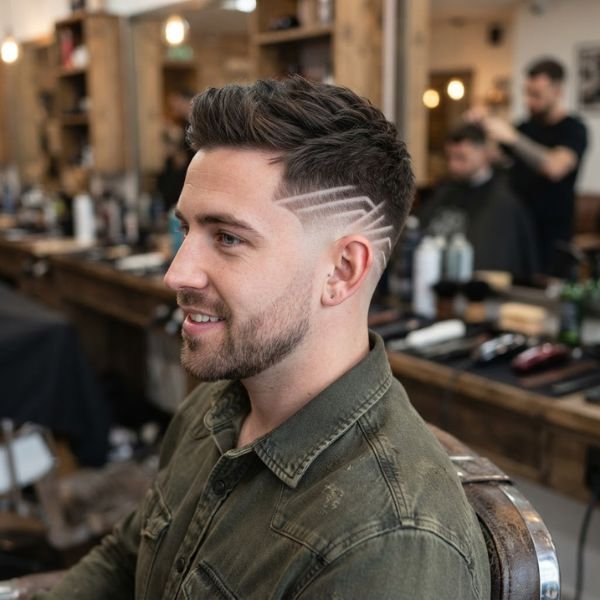
A simple shaved line or geometric pattern can make the haircut more distinctive.
Because the fade already has a noticeable curved shape, keeping the design relatively simple often produces a cleaner result.
Best for: Creative and modern styles
Burst Fade With Long Hair
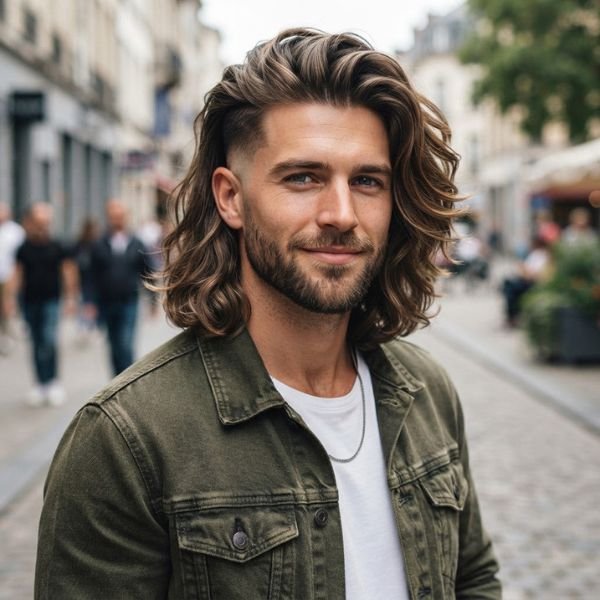
Longer hair can be left flowing over the back while the area around the ears receives a controlled fade.
This creates a contrast between the clean sides and the natural movement of longer hair.
Best for: Medium and long hair
Burst Fade for Different Hair Types
Straight Hair
Straight hair works well with structured styles such as mullets, slick backs, comb overs and textured crops.
Because straight hair makes the fade transition more visible, precise blending is particularly important.
Wavy Hair
Wavy hair naturally adds movement to the top and back.
A softer burst fade can preserve that movement while keeping the area around the ears clean.
Curly Hair
Curly hair creates strong visual contrast against a clean fade.
Keep enough length on top for the curls to form naturally, and use a curl-defining product to maintain shape.
Coily Hair
Coily hair offers many possibilities, including afros, twists, locs and sponge curls.
The curved fade can clean up the area around the ears while allowing the natural density to remain.
Burst Fade vs Taper Fade
A taper usually focuses on gradually reducing the hair around the sideburns and neckline.
A burst fade creates a more noticeable curved transition around the ear.
If you want a subtle edge cleanup, a taper may be the better choice. If you want the area around the ear to become a visible feature of the haircut, a burst fade provides more contrast.
Burst Fade vs Low Fade
A low fade generally moves around the lower sides of the head.
A burst fade follows a curved path around the ear and can leave more hair behind the ear and toward the back.
The choice depends on whether you want a traditional side fade or a more localized curved effect.
Burst Fade vs Mid Fade
A mid fade removes hair higher across the sides and usually creates a more uniform transition.
A burst fade is concentrated around the ear, allowing more of the surrounding hair to remain.
This makes the burst style particularly useful for mullets and mohawks.
How to Choose the Right Burst Fade
Consider the following before your haircut:
- Top length: Decide whether you want a short crop, medium textured top or longer hairstyle.
- Hair texture: Curls, waves and coils can change how the fade appears.
- Fade height: A higher burst creates stronger contrast.
- Finish: Choose between a shadow, tapered or skin-level finish.
- Back length: This is especially important if you want a mullet or mohawk.
- Maintenance: Sharper fades require more frequent touch-ups.
How to Ask Your Barber for a Burst Fade
Clear communication is important because the curved shape needs to be placed correctly.
You can say:
“I want a burst fade around the ears with a smooth curved blend. Keep the top and back at the length we discussed, and don’t take the fade too far toward the sides.”
Then explain whether you want:
- A low or higher burst
- A skin or shadow finish
- A natural or sharp hairline
- A tapered neckline
- A mullet, mohawk or other top style
- A beard blend
- A lineup
A reference photo is useful because the exact curve and height can vary from one haircut to another.
How to Style a Burst Fade
The styling routine depends on your hair type and the amount of length you have.
For Straight Hair
Use a lightweight pomade, clay or styling cream. Blow-dry the hair in the direction you want before applying the product.
For Wavy Hair
Use a lightweight mousse or texture spray to enhance natural movement. Avoid excessive brushing after the waves have formed.
For Curly Hair
Apply curl cream to damp hair and allow the curls to dry naturally or use a diffuser.
For Coily Hair
Moisturizing products can help maintain softness and definition. Use a sponge or fingers to create twists or curls if desired.
How Often Should You Maintain It?
A fresh burst fade usually looks most defined during the first couple of weeks.
If you prefer crisp edges, consider a maintenance appointment every two to three weeks. Men who prefer a softer appearance can allow the haircut to grow out for longer.
The exact schedule depends on hair growth rate, fade length and personal preference.
Common Mistakes to Avoid
Taking the Fade Too Far
The main advantage of this haircut is the localized curved shape. Extending the fade too far can turn it into something closer to a traditional fade.
Ignoring the Back
If you are getting a mullet or mohawk, the relationship between the fade and the back length is extremely important.
Cutting Too Much Top Length
Tell your barber exactly how much length you want to keep before the haircut begins.
Choosing the Wrong Finish
A skin finish creates strong contrast and requires more maintenance. A shadow finish offers a softer appearance.
Neglecting Hair Texture
The haircut should be designed around your natural texture rather than forcing your hair into an unsuitable shape.
Frequently Asked Questions:
What is a burst fade?
A burst fade is a fade that curves around the ear, creating a semicircular transition while leaving more hair toward the top and back.
Is a burst fade good for a mullet?
Yes. A burst fade is one of the most popular choices for a modern mullet because it cleans the area around the ears while allowing the back to remain long.
Is a burst fade good for curly hair?
Yes. Curly hair creates excellent contrast against the clean curved fade and can be styled naturally on top.
Can I get a burst fade with an afro?
Yes. The fade can clean the area around the ears while preserving the natural volume and shape of the afro.
How often should I get a burst fade?
For a sharp appearance, many men refresh the haircut every two to three weeks. A longer interval works if you prefer a softer grow-out.
Is a burst fade the same as a drop fade?
No. A drop fade generally follows the shape of the head and drops lower toward the back. A burst fade is concentrated around the ear and creates a curved shape.
Can a burst fade work with long hair?
Yes. The fade can be limited to the area around the ears while the top and back remain long.
Does a burst fade work with a beard?
Yes. The sideburn area can be blended into the beard to create a smoother transition.
Conclusion
A burst fade is a versatile haircut for men who want clean edges without sacrificing the personality of their hairstyle. Its curved shape around the ear makes it different from traditional fades and gives you plenty of options for customization. You can combine it with a mullet, mohawk, curls, waves, afro, twists, locs, textured crop or longer hair. The finish can also range from subtle and natural to sharp and skin-level.
The most important part is communicating the desired shape to your barber. Explain how much top and back length you want to keep, how high you want the curve and whether you prefer a shadow or skin finish. With the right placement and styling, the burst fade can create a clean, modern haircut that works with your natural texture while giving the sides a distinctive shape.

Oliver Matthew Wilson is a fashion writer and content creator passionate about modern style, fashion trends, outfit ideas, and everyday inspiration. He enjoys sharing practical fashion insights and fresh styling ideas to help readers discover their personal style with confidence.