


The straight hair taper mullet fade combines clean sides, controlled volume, and the distinctive length of a modern mullet. It works especially well when you want a haircut that looks sharp without feeling overly formal. Straight hair also makes the taper and longer back easier to define, giving the style a crisp silhouette from every angle.
This haircut offers plenty of room for personalization. You can keep the taper subtle around the ears or create a stronger fade for more contrast. The back can stay short and neat or grow longer for a more dramatic mullet effect. With the right styling, this versatile cut can suit casual outfits, streetwear, school looks, and polished styles.
What Is a Straight Hair Taper Mullet Fade?
A straight hair taper mullet fade combines three main elements:
- Straight hair: The natural texture keeps the haircut clean and defined.
- Taper: Hair gradually becomes shorter around the sideburns and neckline.
- Mullet: The back remains noticeably longer than the sides and front.
Unlike a traditional skin fade, a taper does not necessarily remove all the hair around the sides. This creates a softer transition and gives the haircut a more natural appearance.
The result is a balanced style with a clean front and sides while maintaining personality through the longer back.
Why Does This Haircut Work So Well With Straight Hair?
Straight hair provides a smooth foundation for a taper mullet. The hair naturally falls into place, making the contrast between the short sides and longer back easy to see.
It also gives you more control over the overall shape. You can wear the top forward, textured, parted, or slightly messy depending on your preferred look.
Straight hair can also make the neckline appear cleaner because the longer back tends to fall naturally instead of becoming overly bulky.
Best Straight Hair Taper Mullet Fade Ideas
1. Low Taper Mullet
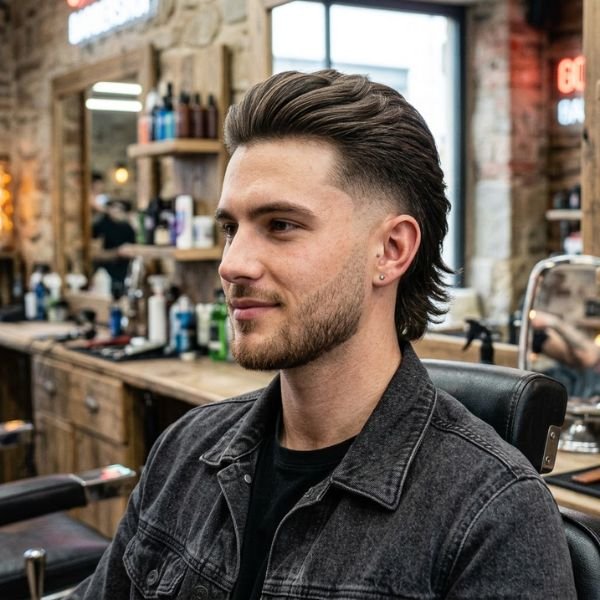
A low taper keeps the transition around the ears and neckline subtle.
This option works well if you want a mullet without an extremely bold fade. Keep the back moderately long and add light texture to the top.
Best for: A clean, understated everyday style.
2. Mid Taper Mullet
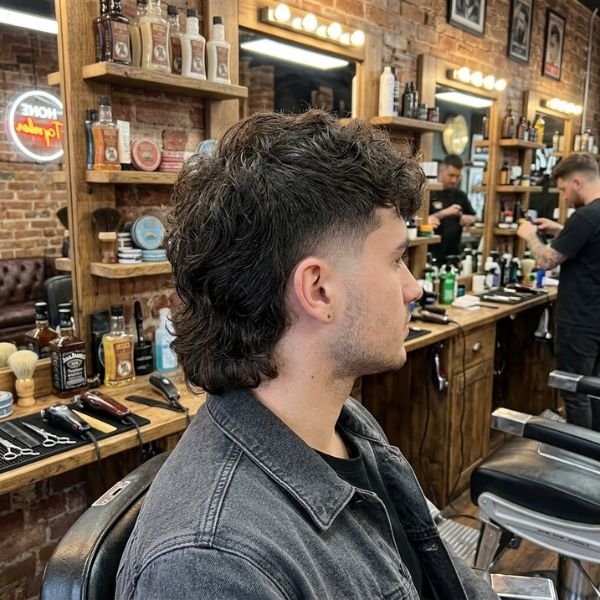
A mid taper creates more visible contrast while keeping the haircut wearable.
The sides gradually become shorter around the middle of the head, while the back maintains its length. This creates a stronger modern mullet shape.
Best for: A noticeable but balanced haircut.
3. Taper Mullet With Textured Top
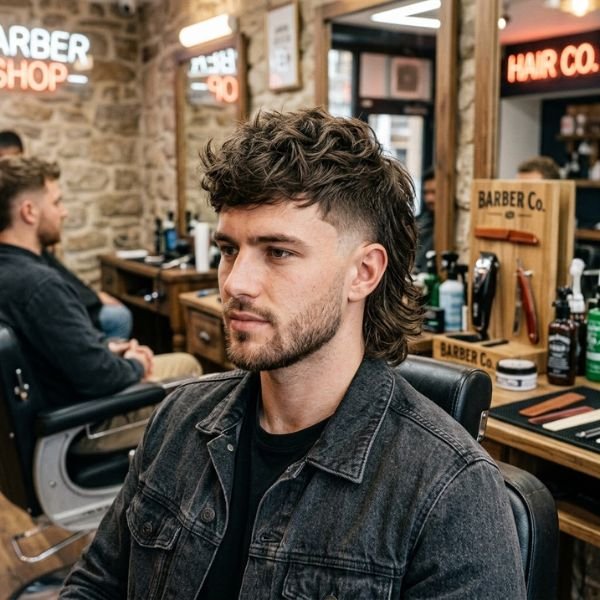
Adding texture to the top prevents straight hair from looking too flat.
Your barber can use point cutting or texturizing techniques to create movement. A lightweight styling product can then enhance the texture without making the hair look greasy.
Best for: Straight, medium-density hair.
4. Short Mullet With Taper
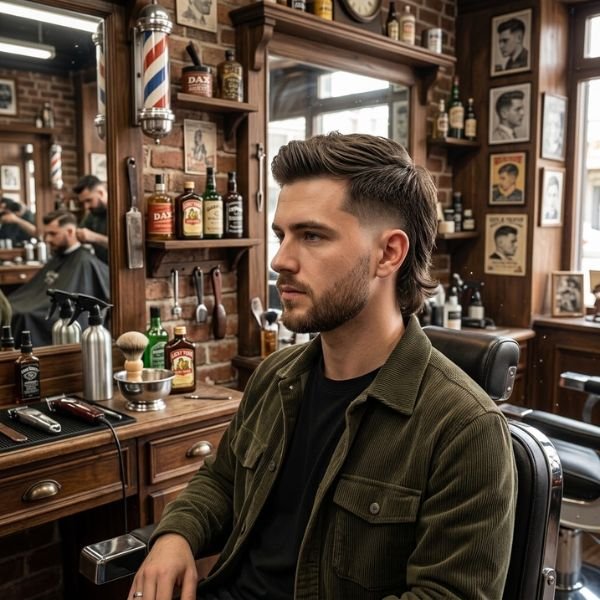
You do not need a long back to create a mullet.
A short mullet keeps the back slightly longer while maintaining a clean overall shape. The taper around the sides and neckline makes the haircut look fresh and controlled.
Best for: People trying a mullet for the first time.
5. Long Straight Mullet With Taper
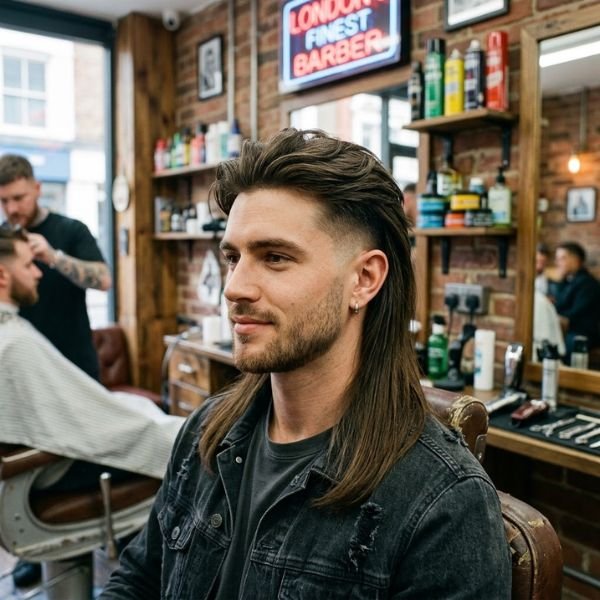
If you prefer a stronger mullet appearance, let the back grow considerably longer.
The taper keeps the sides clean while the longer straight hair at the back becomes the main feature. Regular trimming still helps maintain the shape.
Best for: A bold, fashion-forward appearance.
6. Taper Mullet With Fringe
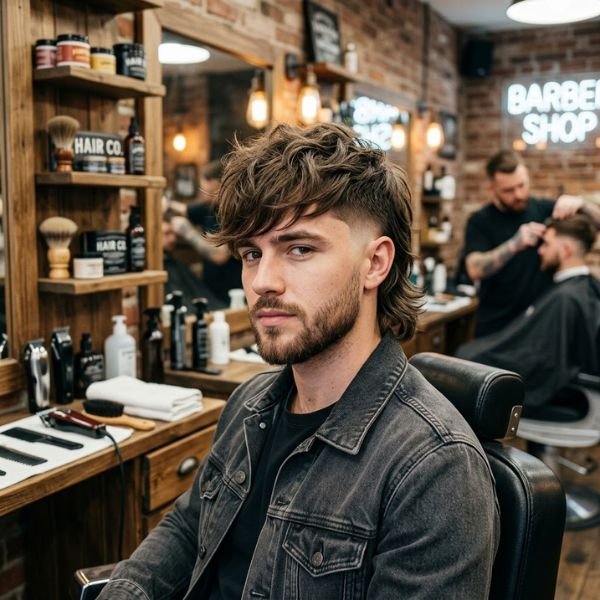
A straight fringe can give the haircut a completely different character.
You can choose a short, textured fringe for a modern appearance or a longer fringe that falls naturally toward the forehead.
The barber should balance the fringe with the length at the back so the haircut does not look disconnected.
Straight Hair Taper Mullet Fade vs. Skin Fade Mullet
These two styles may look similar, but the finish is different.
A taper mullet keeps more hair around the sides and neckline. It creates a softer transition and usually looks more natural.
A skin fade mullet gradually removes the hair down to the skin in the faded areas. This produces stronger contrast and a sharper appearance.
Choose a taper if you prefer a cleaner but less aggressive look. Choose a skin fade if you want maximum contrast between the sides and the longer back.
How to Ask Your Barber for This Haircut
Do not simply ask for a “mullet fade” if you want a specific result.
Instead, explain exactly how you want the sides, top, and back handled.
You can say:
“I want a modern mullet with a taper around the sideburns and neckline. Keep the back longer and textured, but don’t make the fade too high. Keep enough length on top for styling.”
If you have a specific reference photo, show it to your barber. A picture can communicate the desired length and shape much more clearly than words.
How to Style Straight Hair With a Taper Mullet
Styling depends on the length and thickness of your hair.
For a natural look:
- Start with slightly damp hair.
- Apply a small amount of lightweight styling cream.
- Use your fingers to shape the top.
- Blow-dry if you want additional volume.
- Finish with a light styling product if needed.
Avoid applying too much heavy product. Straight hair can become flat or greasy when overloaded.
For a messy appearance, use your fingers instead of a comb. For a cleaner look, use a comb to define the front and top.
Is a Taper Mullet Good for Thin Straight Hair?
Yes, but the haircut needs the right proportions.
If your hair is thin, avoid removing too much weight from the sides or making the back excessively long. Excessive length can make thin hair look even finer.
A shorter textured mullet often creates a fuller appearance. Your barber can also add controlled layers to give the hair more movement.
Lightweight styling products usually work better than heavy waxes or oily pomades.
Is It Good for Thick Straight Hair?
Thick straight hair can work extremely well with this haircut.
However, too much weight can make the sides and back look bulky. Your barber may need to remove some internal weight while preserving the overall mullet shape.
Texture is especially useful because it helps thick hair move naturally instead of sitting heavily in one position.
Best Face Shapes for a Taper Mullet
A taper mullet can be adapted to many face shapes.
Oval Face
An oval face works with most variations. You can experiment with different top and back lengths.
Round Face
Keep some height and texture on top to create a more elongated appearance. Avoid excessive width around the sides.
Square Face
A textured mullet can complement strong facial angles. A moderate taper keeps the sides clean without making the haircut look too severe.
Long Face
Avoid adding too much height on top. A slightly fuller top and controlled back length can create better proportions.
How Often Should You Maintain It?
A taper mullet usually needs regular maintenance to keep the sides and neckline sharp.
Consider visiting your barber approximately every 3–5 weeks, depending on how quickly your hair grows and how clean you want the taper to remain.
The back can grow longer between appointments, but trimming the ends helps maintain its shape.
Common Mistakes to Avoid
A good taper mullet depends heavily on balance. Avoid these common mistakes:
- Making the taper too high
- Removing too much length from the back
- Leaving the back excessively bulky
- Using too much styling product
- Ignoring the natural direction of your hair
- Choosing a haircut without considering your face shape
- Asking for a generic mullet without showing a reference
The goal is not simply to create short sides and long hair at the back. The proportions need to work together.
FAQs:
Is a taper mullet good for straight hair?
Yes. Straight hair naturally shows the clean taper and longer mullet shape, making the overall haircut easy to define.
How long should the back of a mullet be?
There is no fixed length. A short mullet can have only a few extra inches, while a bold style can extend much farther.
Is a taper better than a fade for a mullet?
A taper creates a softer, more natural finish, while a fade creates stronger contrast. Your choice depends on your preferred appearance.
Can thin straight hair get a mullet?
Yes. A shorter, textured mullet can add movement and make thin straight hair appear more structured.
How often should I trim a taper mullet?
Most people can maintain the shape with a trim every three to five weeks, although growth speed varies.
Can I style a straight mullet without products?
Yes. You can simply blow-dry or finger-style it. However, a lightweight product can improve texture and hold.
Final Thoughts
A straight hair taper mullet fade gives you a strong combination of modern barbering and classic mullet character. The taper keeps the haircut clean, while the longer back adds individuality and movement.
The best version depends on your hair density, face shape, preferred length, and personal style. If you want something subtle, choose a low taper with a shorter back. For a stronger statement, keep the back longer and add more texture throughout the top.
Most importantly, show your barber a reference photo and explain how much length you want to keep. Small changes in the taper, top, and back can completely change the final appearance.

Oliver Matthew Wilson is a fashion writer and content creator passionate about modern style, fashion trends, outfit ideas, and everyday inspiration. He enjoys sharing practical fashion insights and fresh styling ideas to help readers discover their personal style with confidence.