


A great haircut can change the way you look and feel without requiring a complete makeover. The right combination of clean sides, natural texture, and extra length creates a hairstyle that looks modern without trying too hard. That’s why the taper fade long on top has become a popular choice for men who want a sharp, versatile appearance.
This haircut keeps the hair longer across the top while gradually shortening it around the temples and neckline. The result is a balanced style that works with different hair textures, face shapes, and personal preferences. You can wear it messy and relaxed, slick it back for a formal occasion, or add volume for a more fashionable finish.
Another advantage is flexibility. Taper Fade Long on Top You don’t have to commit to extremely short hair or spend an hour styling your hair every morning. With the right cut and a few reliable products, you can create several looks from the same hairstyle.
In this guide, you’ll learn how to choose the right variation, communicate with your barber, style your hair at home, and maintain your haircut between appointments.
What Is a Taper Fade With Longer Hair on Top?
A taper fade gradually shortens the hair around specific areas, usually the temples and neckline. Unlike a traditional all-over fade, a taper can leave more coverage around the sides of the head while creating a clean, polished outline.
The longer top provides contrast and gives you room to experiment with different finishes. Depending on your preferences, your barber can leave the top textured, layered, curly, wavy, or relatively smooth.
The defining features include:
- Gradually shortened hair around the temples.
- A neat neckline that complements your natural hairline.
- Extra length on top for styling flexibility.
- A smooth transition between the sides and the upper section.
- A shape that can look professional, casual, or fashion-forward.
The final appearance depends on the length you keep on top, how high the taper begins, and how much contrast you want between the sides and the crown.
Why This Haircut Is So Popular
Men often want a haircut that looks good in different situations. A style that works at the office should also feel comfortable at a family gathering, dinner, or weekend event.
The taper fade long on top offers that flexibility because the sides remain controlled while the upper section can be styled in several ways.
It balances clean edges with natural volume
The shorter sides create a tidy appearance, while the longer hair adds character. This balance can make a haircut look intentional without appearing overly formal.
It works with different hair textures
Straight hair can be brushed back or lifted into a quiff. Wavy hair can emphasize natural movement, while curly hair can create a fuller silhouette.
It suits different personal styles
You can choose a subtle taper for a conservative look or a sharper transition for a more noticeable haircut. Your barber can also adjust the length around the ears and neckline to match your preferences.
It offers several styling options
A little matte clay can create texture, a lightweight cream can control frizz, and a blow-dryer can add volume. You don’t need to use the same finish every day.
Best Taper Fade Long on Top Styles to Try
Choosing a specific variation makes it easier to explain your expectations to your barber. Consider your natural texture, daily routine, and the amount of styling you enjoy.
Classic Low Taper With a Textured Top
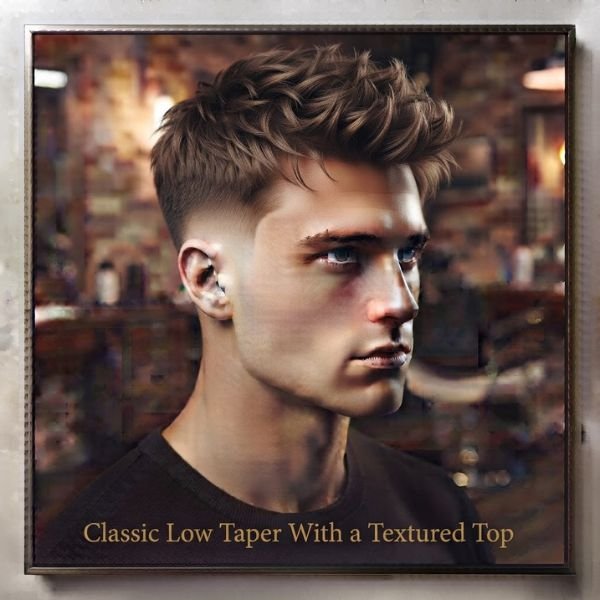
This version keeps the taper close to the temples and neckline. The top remains longer, with light layers that add movement without removing too much thickness.
Ask your barber for a low taper, a natural transition, and textured ends. This option works particularly well for men who prefer a neat haircut that doesn’t look too dramatic.
For everyday styling, work a small amount of matte paste through dry or slightly damp hair. Use your fingers to separate the strands and create a natural finish.
Mid Taper With a Voluminous Quiff
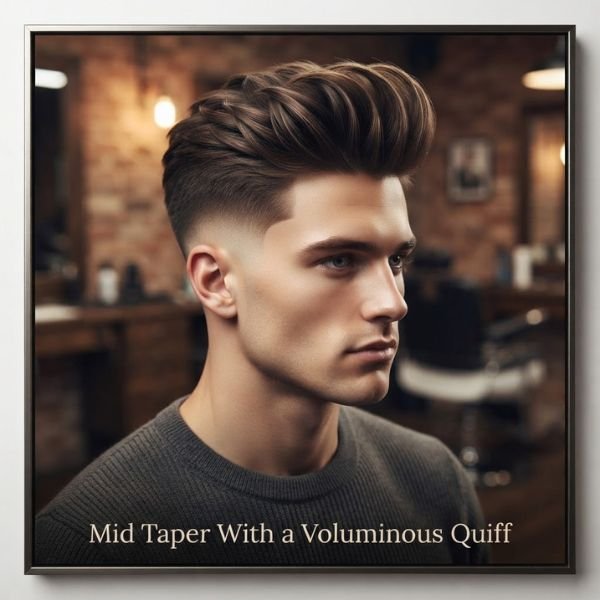
A quiff directs the front section upward and slightly backward. Pairing it with a mid taper creates more contrast while keeping the overall haircut balanced.
This style can work well for straight or slightly wavy hair. However, the front needs enough length to stand up without falling forward immediately.
Use a blow-dryer to lift the roots, directing the front upward with your fingers or a vent brush. Finish with a small amount of styling clay or flexible-hold product.
Slicked-Back Hair With a Clean Taper
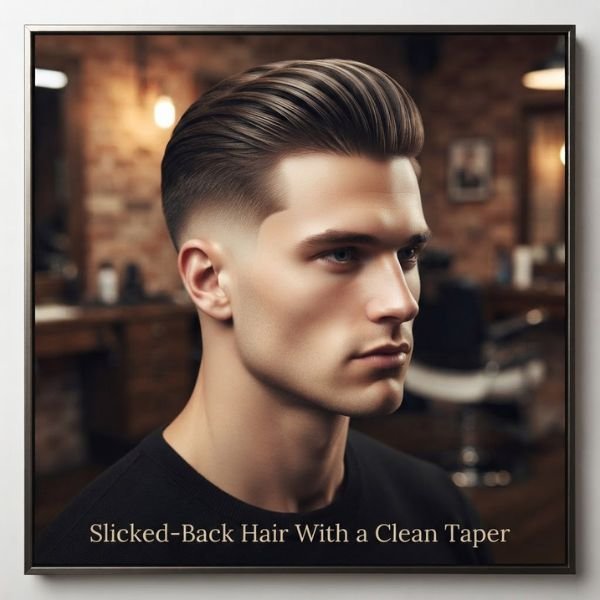
If you prefer a more refined appearance, keep the top long enough to sweep backward. The sides remain neat, while the upper section creates a smooth silhouette.
This variation can suit business settings, weddings, dinners, and other occasions where you want a polished look.
Apply a small amount of styling cream to damp hair and comb it backward. Choose a natural-finish product if you dislike excessive shine.
Messy Textured Hair
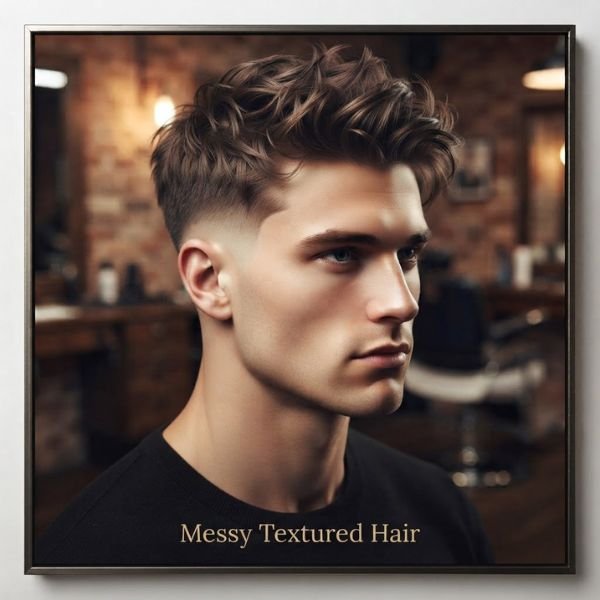
A messy top creates a relaxed appearance with visible separation between strands. It works best when your barber adds suitable layers instead of cutting the entire top to one uniform length.
The key is controlled messiness. The hair should have movement without looking neglected.
Rub a little matte clay between your palms, distribute it through the hair, and gently lift selected sections with your fingertips. Avoid using too much product because heavy buildup can flatten the style.
Curly Hair With a Tapered Outline
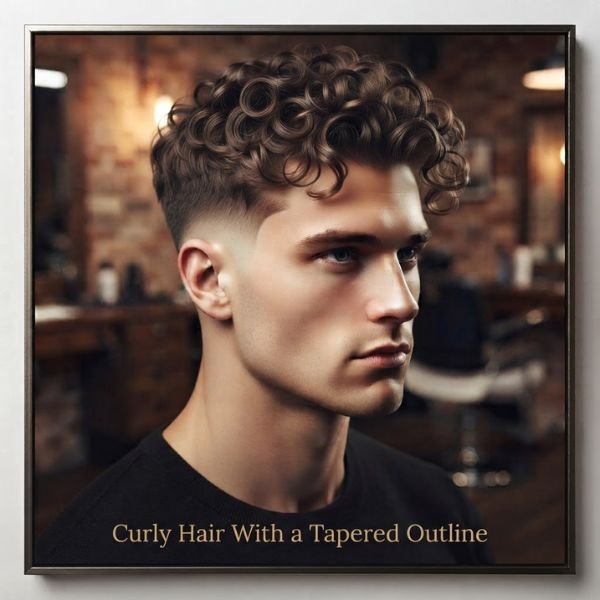
Men with natural curls can keep their curls longer on top while cleaning up the temples and neckline. This approach preserves texture instead of cutting away the natural shape.
Tell your barber whether you prefer defined curls or a fuller, more relaxed finish. The haircut should account for how much your curls shrink as they dry.
Use a lightweight curl cream or leave-in conditioner. Avoid brushing dry curls aggressively because this can increase frizz and disrupt their definition.
Wavy Hair With Natural Movement
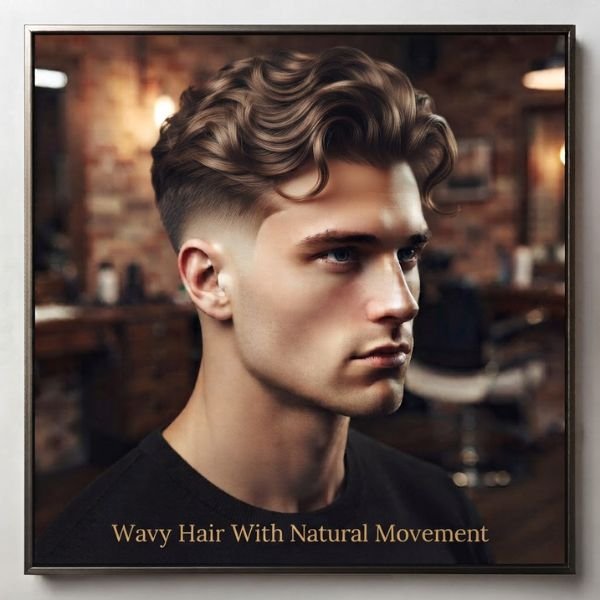
Wavy hair already has built-in texture, making it suitable for a relaxed, modern haircut. A longer top lets the waves fall naturally while the taper keeps the overall shape controlled.
Ask for layers that follow your natural wave pattern. Too much thinning can sometimes make the ends look uneven or cause unwanted frizz.
Apply a lightweight styling cream to damp hair and allow it to air-dry. If you use a blow-dryer, consider a diffuser and moderate heat.
Side-Parted Longer Hair
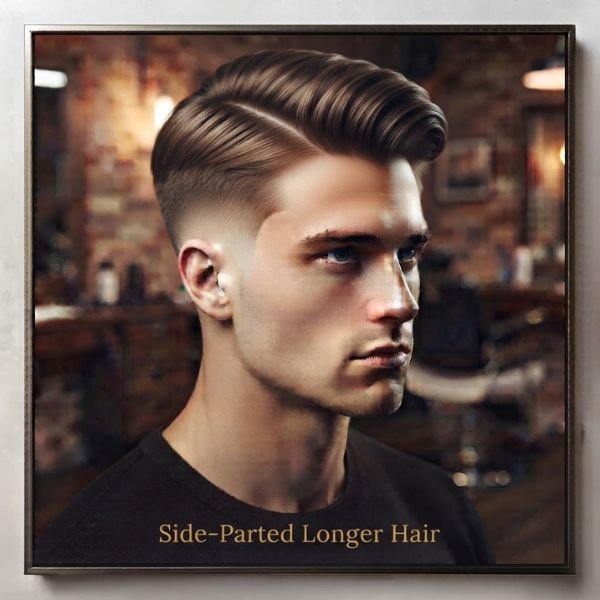
A side part offers a classic alternative to messy or brushed-back styles. The top can remain relatively long, while a subtle taper creates a clean finish around the ears.
You can make the part natural or ask your barber to define it more clearly. A natural part generally offers more flexibility as your hair grows.
Use a comb to direct the hair into place, then apply a small amount of cream or pomade depending on your desired finish.
Modern Pompadour
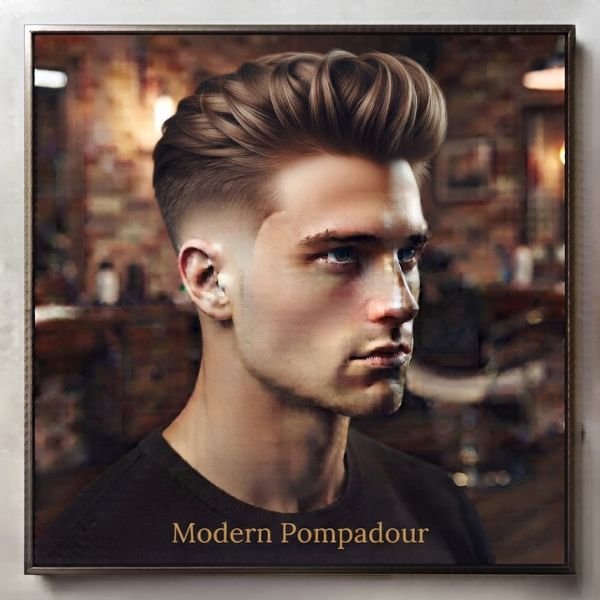
A pompadour adds height and volume to the front while directing the hair backward. It creates a more noticeable hairstyle than a simple textured crop.
This variation requires sufficient length and usually benefits from a blow-dryer. If your hair is very fine, avoid making the front excessively heavy because it may struggle to maintain its shape.
Use a lightweight volumizing product at the roots and a flexible finishing product to hold the style without making it stiff.
Straight Hair With a Natural Brush-Up

Straight hair can sometimes appear flat when every section falls in the same direction. A brush-up introduces height and texture while maintaining a relatively simple shape.
Ask your barber to add subtle texture without removing too much density. At home, blow-dry the front upward and slightly backward.
A lightweight matte product can provide separation without making straight hair look greasy.
Longer Top With a Skin Taper
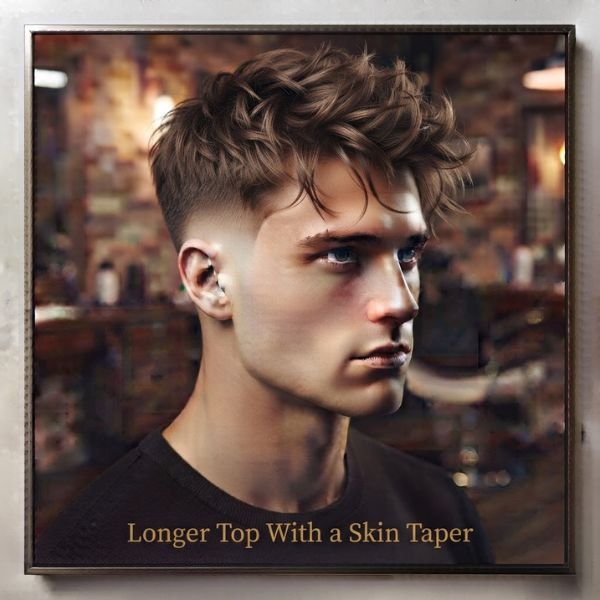
For a sharper appearance, the hair around the lowest part of the taper can be cut extremely short, sometimes down to bare skin. The longer upper section creates a strong contrast.
This option requires more frequent maintenance because short transitions become noticeable as the hair grows. Discuss how high or low you want the shortest section to begin.
If you prefer a softer appearance, ask for a gradual transition rather than an abrupt contrast.
How to Choose the Right Version for Your Face Shape
A good haircut works with your natural proportions rather than following a trend blindly.
Oval faces: Most variations can work well. Choose the amount of volume and texture based on your hair type and personal preference.
Round faces: Additional height at the front can create a more elongated appearance. Avoid excessive width at the sides if you want a narrower silhouette.
Square faces: Textured tops and clean tapered edges can complement a strong jawline. You can choose either a structured or relaxed finish.
Long faces: Moderate volume usually creates a balanced appearance. Extremely tall styles may visually add more length.
Heart-shaped faces: A textured top with some natural width can help balance a narrower chin. Avoid choosing a style solely because it looks good on someone with different proportions.
These are general styling guidelines, not strict rules. Hair density, growth patterns, facial hair, and personal taste also affect the final result.
How to Ask Your Barber for the Perfect Cut
Showing a reference photograph is often more effective than relying on haircut names alone. Two people can use the same terminology while imagining completely different results.
When visiting your barber, explain the following:
- How much length you want to keep on top.
- Whether you prefer a low, mid, or high taper.
- How short you want the hair around the temples.
- Whether you want a natural neckline or a more defined outline.
- If you prefer texture, curls, a side part, or a brushed-back finish.
- How much time you want to spend styling your hair daily.
You can say, “I’d like a low taper around the temples and neckline, with enough length on top to create natural texture and volume. Please keep the transition smooth and don’t take too much off the top.”
Ask your barber to check the crown and natural growth direction before deciding how to blend the upper section. This small step can help prevent awkward areas when your hair grows out.
How to Style Your Hair at Home
You don’t need a complicated routine to achieve a good result. Start with clean hair and select products that match your natural texture.
Start with the right washing routine
Wash your hair according to your scalp’s needs. If your hair becomes oily quickly, you may need more frequent washing. Dry or curly hair may benefit from less frequent shampooing and regular conditioning.
Avoid using very hot water if it leaves your scalp or hair feeling dry.
Add volume with a blow-dryer
For extra height, start with slightly damp hair. Lift the roots using your fingers or a brush while directing the airflow where you want the hair to sit.
Use moderate heat and avoid holding the dryer too close to your scalp. A heat-protectant product can help reduce damage from regular heat styling.
Choose a product that suits your finish
- Matte clay: Adds texture and a low-shine finish.
- Styling cream: Provides light control and a more natural appearance.
- Pomade: Helps create smoother, more defined styles.
- Sea salt spray: Can enhance texture in suitable hair types, although frequent use may feel drying.
- Curl cream: Helps define natural curls and control frizz.
- Volumizing mousse: Can support lift in fine or flat hair.
Start with a small quantity and add more only when necessary. Excess product can weigh down the top and make your hair difficult to reshape.
Maintenance Tips for a Fresh Appearance
The clean edges are an important part of this haircut, so regular maintenance helps preserve its shape.
- Schedule a trim approximately every two to four weeks if you prefer crisp edges. Your growth rate and preferred finish may require a different schedule.
- Ask your barber to preserve the top length when you only need the taper refreshed.
- Keep your combs and brushes clean to reduce product buildup.
- Avoid excessive heat and aggressive brushing.
- Use conditioner when your hair needs extra softness.
- Communicate changes in your styling routine before making a major change to the cut.
If you’re growing the top longer, explain that goal to your barber. You can maintain the outline while gradually adding length above.
Common Mistakes to Avoid
Even a well-planned haircut can become difficult to manage when the details don’t match your hair type.
Choosing the wrong taper height: A high taper creates more contrast than a low taper. Decide how much of your natural side coverage you want to preserve.
Removing too much length: If you want to style the top backward or create a quiff, the barber needs to leave enough hair to achieve that shape.
Using too much product: Heavy products can make fine hair look flat and thick hair feel stiff. Start small.
Ignoring your natural hairline: A haircut should complement your growth pattern rather than forcing every section into an unnatural direction.
Expecting every reference photo to look identical: Hair density, texture, head shape, and styling techniques can change the final result.
Frequently Asked Questions:
Is this haircut suitable for thin hair?
Yes. Keeping the top at a manageable length and adding subtle texture can help create the appearance of movement. Heavy products and excessive layering may make thin hair look less full, so ask your barber for a customized approach.
How long should the top be?
There is no universal measurement. A few inches may provide enough length for a textured style, while slicked-back hair or a pompadour may require more. Your desired finish should determine the length.
Can I wear this haircut to work?
Absolutely. A low taper with a neatly styled top can look professional. You can choose a more textured finish outside working hours without changing the haircut itself.
Does it work with a beard?
Yes. A barber can blend the sideburn area into a beard for a connected appearance or keep a distinct separation if you prefer sharper contrast.
How often should I visit my barber?
Many men refresh the taper every two to four weeks. Longer intervals can work if you prefer a softer, more grown-out look.
Is it difficult to style every morning?
Not necessarily. A natural textured finish may take only a few minutes. More structured styles, such as a pompadour, usually require additional time and technique.
Final Thoughts
The best haircut is one that complements your natural hair, fits your daily routine, and makes you feel comfortable. You don’t need the most dramatic fade or the longest top to achieve a stylish result.
A taper fade long on top gives you room to experiment with texture, volume, curls, and classic finishes while keeping the edges clean. Choose a variation that suits your face shape, explain your expectations clearly to your barber, and develop a simple styling routine you can maintain.
With the right cut and consistent care, you can enjoy a modern hairstyle that looks good at work, during weekends, and on special occasions.

Oliver Matthew Wilson is a fashion writer and content creator passionate about modern style, fashion trends, outfit ideas, and everyday inspiration. He enjoys sharing practical fashion insights and fresh styling ideas to help readers discover their personal style with confidence.